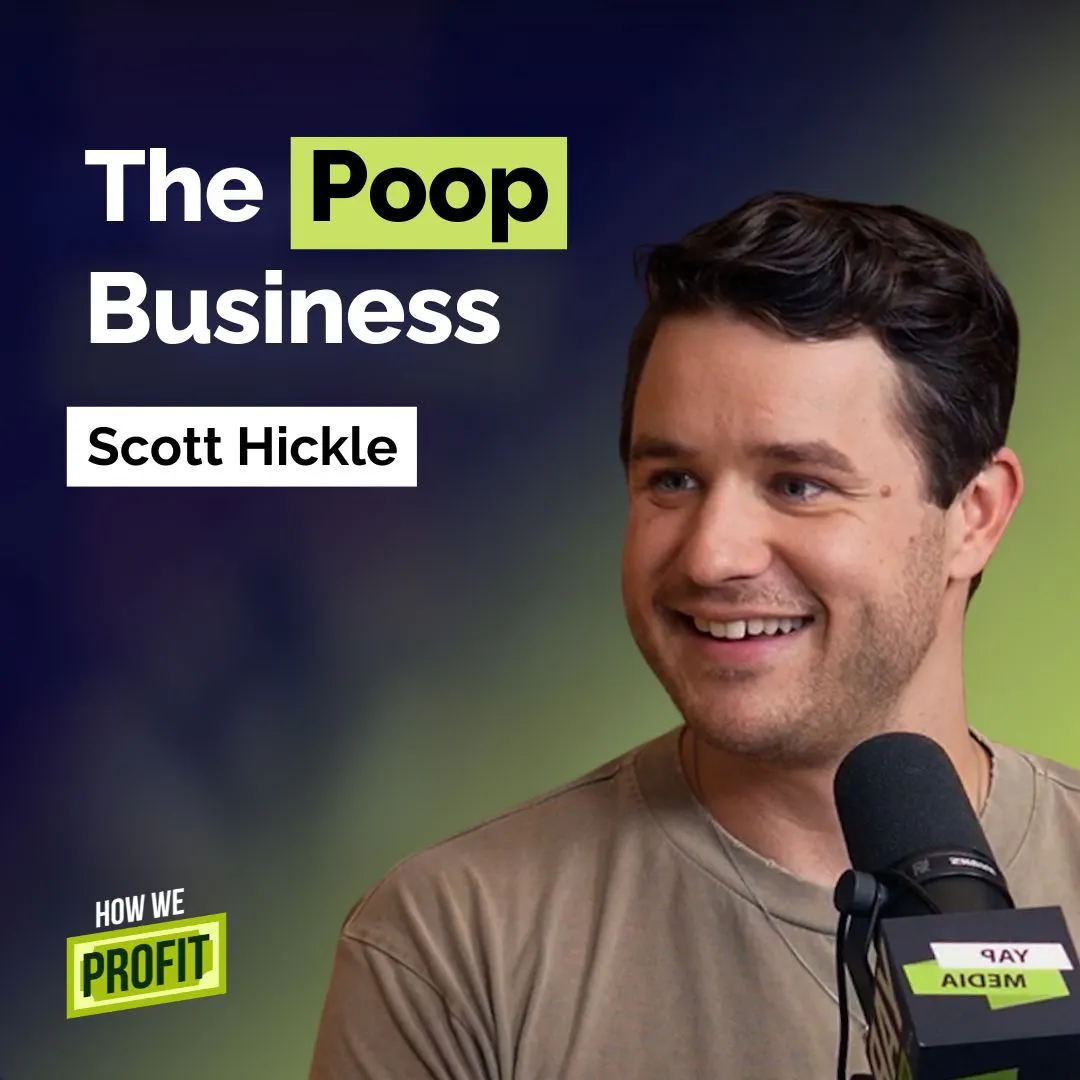
This Startup Plans to Save a Million Lives Using Your Toilet | Entrepreneurship | How We Profit | E7
Scott Hickle built Throne Science around a startup idea most investors thought was too unconventional: a device that transforms your toilet into a health tracker, monitoring your health as effortlessly as a smartwatch. After nearly 100 investor rejections, he and his team kept refining the product, driven by a mission to detect early signs of diseases like colorectal cancer before symptoms appear. That persistence helped them raise $4 million in seed funding. In this episode, Scott shares how entrepreneurs can validate unconventional products, raise capital despite rejection, and build demand in a market consumers don't yet understand. In this episode, Hala and Scott will discuss: (00:00) Introduction (01:27) How Throne’s Smart Toilet Device Works (07:56) Throne’s Mission to Detect Cancer Early (17:22) Launching Throne in a New Product Category (23:55) Pivoting Away From a Failed Nurse-Staffing Startup (32:27) How Scott Raised Millions After Pivoting (42:35) Marketing a Product Customers Don’t Understand Yet (49:46) Lessons From Scott’s Costliest Business Mistakes (1:00:03) Throne Science’s SWOT Analysis (1:08:37) Smart Toilet Costs, Pricing, and Margins (1:13:14) Building a Mission-Driven Hardware Startup Scott Hickle is the co-founder and CEO of Throne Science, a health technology company building a device that attaches to a toilet and tracks gut health, hydration, bathroom habits, and prostate health. Before Throne, Scott and his co-founder, Tim, built a nurse-staffing marketplace called Pineway before pivoting into consumer health hardware. Throne’s long-term mission is to develop technology that can help detect early signs of colon cancer, bladder cancer, and other cancers of the lower gastrointestinal and urinary tracts.